
Losing belly fat after breast reduction surgery is a common goal for patients who feel their new, proportionate silhouette deserves a matching midsection. A breast reduction at NOVA Plastic Surgery removes excess breast tissue to relieve neck, shoulder, and back strain, but it does not target fat anywhere else on the body. Once your chest is lighter and more balanced, many patients simply notice their abdomen more, and that is completely normal.
Key Takeaways
-
Belly fat often looks more noticeable after breast reduction simply because of new proportions. Removing excess breast volume shifts your body’s visual balance, so the abdomen draws more attention even without any actual weight change.
-
Most patients can resume light cardio around 2-3 weeks after surgery and core work by 6-8 weeks. Your surgeon will confirm the exact timeline at your follow-up visits based on your healing progress.
-
Sustainable fat loss depends on a balanced, protein-forward diet paired with consistent movement. Very restrictive dieting can slow healing and is not recommended in the weeks following your procedure.
-
Core strengthening supports your breast reduction results by improving posture and overall body alignment. A stronger core helps your torso carry your new proportions with better balance and less strain.
-
Procedures like liposuction or a tummy tuck can address stubborn abdominal fat that diet and exercise cannot resolve. These options are typically considered once you are fully healed and weight-stable, generally 6 months or more after breast surgery.
If you are exploring how to refine your midsection after healing, schedule a consultation with our team to talk through a plan that fits your recovery timeline and goals.
Why Belly Fat May Become More Noticeable After a Breast Reduction
After a breast reduction, many patients notice their stomach appears larger, even though nothing about their abdomen has actually changed. This is a visual effect of proportion. When the chest carries less volume, the eye naturally shifts attention to the waist and midsection.
Your board-certified surgeon at NOVA Plastic Surgery can explain how your particular anatomy will settle as swelling resolves. Understanding this shift in perception is the first step toward setting realistic expectations for your body after surgery.
The Connection Between Body Proportions and Breast Reduction Results
Breast reduction surgery recalibrates your body’s overall proportions, which is often the entire point for patients seeking relief from disproportionately heavy breasts. A smaller, lifted chest can make your natural waistline and hips appear more defined.
This new balance is part of why many patients feel motivated to address their midsection afterward. Achieving a proportionate silhouette, however, is a gradual process that benefits from patience as swelling subsides and your new shape settles over several months.
Nutrition Tips to Support Healthy Fat Loss
A balanced diet built around lean protein, fiber-rich vegetables, and whole grains supports steady, healthy fat loss without compromising your recovery. Protein is particularly important after surgery, as it supports tissue repair while helping preserve lean muscle.
-
Prioritize lean proteins like chicken, fish, eggs, and legumes at every meal.
-
Limit added sugars and refined carbohydrates, which can contribute to abdominal bloating.
-
Stay well hydrated, since adequate water intake supports metabolism and reduces water retention.
-
Avoid highly restrictive diets in the weeks following surgery, as your body needs proper fuel to heal.
If you have questions about what your body needs during recovery, your surgical team or a registered dietitian can help you build a plan suited to your health history.
Effective Exercises for Targeting Belly Fat
Once your surgeon clears you for physical activity, a combination of cardiovascular exercise and resistance training is an effective approach for reducing overall body fat, including in the abdominal area. Spot reduction is not physiologically possible, so total-body fat loss is what ultimately reveals a slimmer midsection.
-
Brisk walking or light cycling to gradually reintroduce cardiovascular activity.
-
Bodyweight strength training to build lean muscle.
-
Low-impact interval training once you are further along in recovery.
-
Swimming or elliptical work as joint-friendly cardio options.
The Importance of Core Strengthening After Breast Reduction
Core strengthening plays a meaningful role in how your body looks and feels after breast reduction, beyond just addressing belly fat. A stronger core improves posture, which helps your torso carry its new proportions with better alignment and less strain on your back.
Gentle core engagement, like pelvic tilts and modified planks, can typically begin once your surgeon confirms your incisions have healed sufficiently. Progressing gradually protects your results while building the stability that supports long-term comfort.
Lifestyle Habits That Support Long-Term Results
Sustainable fat loss after breast reduction comes down to consistent daily habits rather than short-term fixes. Prioritizing 7-9 hours of quality sleep supports hormone regulation, which influences appetite and fat storage.
-
Manage stress through activities like meditation, journaling, or walking outdoors.
-
Limit alcohol, which can contribute to abdominal fat storage over time.
-
Build movement into your daily routine, not just structured workouts.
-
Track progress with how clothes fit rather than the scale alone.
When to Consider Additional Body Contouring Procedures
Diet and exercise cannot always eliminate stubborn abdominal fat or address loose skin, especially in patients who have experienced pregnancy, significant weight fluctuation, or the natural effects of aging. In these cases, body contouring procedures can complement the results of your breast reduction.
Liposuction removes localized fat deposits, while a tummy tuck addresses excess skin and separated abdominal muscles for a firmer contour. Many patients combine these into a broader plan, which you can discuss during a consultation with Dr. Fadi Nukta or Dr. Khalique Zahir.
Staying Patient and Consistent with Your Goals
Meaningful changes to your midsection take time, typically unfolding over several months of consistent nutrition and exercise habits rather than overnight. Swelling from your breast reduction also needs time to fully resolve, which can affect how your proportions look in the early months.
Celebrating small, non-scale victories, like improved energy or better-fitting clothes, can help you stay motivated. Consistency, not perfection, is what ultimately delivers noticeable results.
Frequently Asked Questions About Losing Belly Fat After Breast Reduction
Why does my belly look bigger after a breast reduction?
Your belly likely looks bigger simply because of a shift in visual proportion, not because it has actually changed size. Removing excess breast volume rebalances your silhouette, which naturally draws more attention to the midsection.
How soon after a breast reduction can I start exercising to lose belly fat?
Most patients can begin light walking within days of surgery and resume light cardio around 2-3 weeks afterward. More intense exercise, including core work, is generally introduced around 6-8 weeks, but your surgeon will confirm the right timeline for your healing.
What are the best exercises for losing belly fat after surgery?
A combination of cardiovascular exercise and total-body strength training works well, since spot reduction of belly fat is not possible. Walking, swimming, and gradual resistance training tend to suit most patients once their surgeon clears them for activity.
Can diet alone help me lose belly fat after a breast reduction?
Diet plays a major role in fat loss, but pairing balanced, protein-rich eating with regular movement produces more consistent results than diet alone. Avoid restrictive dieting in the early weeks after surgery, as your body needs proper nutrition to heal.
Will losing belly fat affect my breast reduction results?
Losing belly fat should not negatively affect your breast reduction results, since the two areas are addressed independently. A leaner midsection often enhances the proportionate look many patients are hoping to achieve.
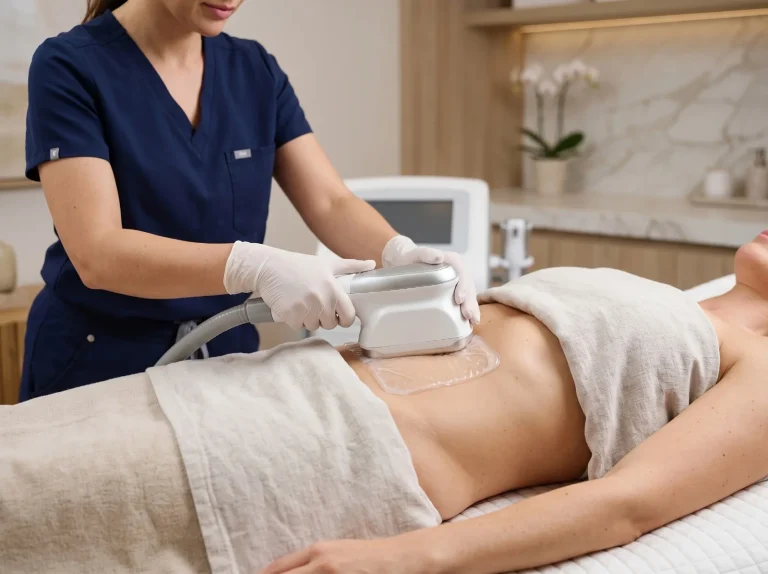
Are there non-surgical treatments that can help reduce belly fat?
Yes, some patients explore non-surgical options once they are fully healed and have reached a stable weight. These treatments are best discussed during a consultation so your provider can recommend options suited to your goals.
When should I consider a tummy tuck or liposuction after my breast reduction?
Body contouring procedures like liposuction or a tummy tuck are typically considered once you are fully healed from your breast reduction and have reached a stable weight, generally 6 months or more later. These procedures can address stubborn fat or loose skin that diet and exercise alone cannot resolve.
Ready to talk through your next steps? Contact NOVA Plastic Surgery in Ashburn, Virginia to schedule a consultation and build a personalized plan for reaching your goals after breast reduction surgery.