


Key Takeaways
- Eczema is the informal name for dermatitis, meaning any inflammation of the skin, commonly causing red, itchy patches in localized areas like the inner elbow or neck.
- Psoriasis is an immune-mediated condition where the immune system triggers rapid skin cell growth, producing thick, scaly plaques different from eczema.
- Both conditions cause red, irritated skin, but psoriasis tends to be more clearly defined with silvery scales, while eczema often presents as weeping, inflamed patches.
- Neither condition has a definitive cure, but both can be managed effectively with the right professional diagnosis and treatment plan.
- NOVA's dermatology team can evaluate suspicious skin conditions, provide accurate diagnoses, and recommend appropriate treatments.
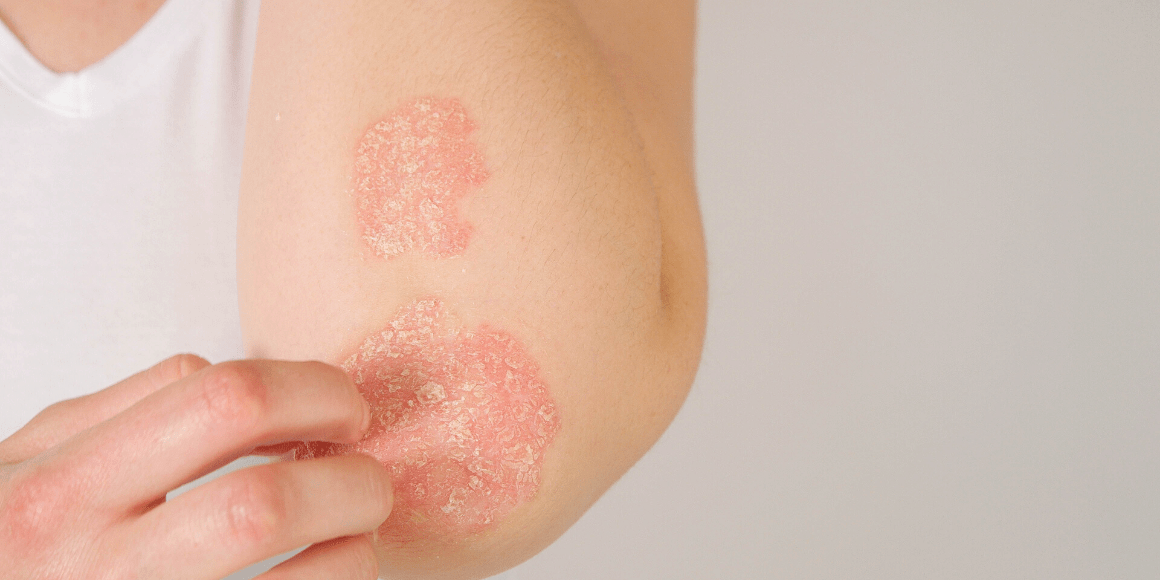 Do red itchy patches of skin appear on your body? Do they make you uncomfortable physically, as well as emotionally? You try hiding the condition from others, and you’re are at a loss as to how to make the occurrences stop.
The first step to healing is knowing which it is: Psoriasis vs. Eczema. For that, you’ll need a formal diagnosis, but see below to learn which condition you’re likely facing and how to get relief.
Do red itchy patches of skin appear on your body? Do they make you uncomfortable physically, as well as emotionally? You try hiding the condition from others, and you’re are at a loss as to how to make the occurrences stop.
The first step to healing is knowing which it is: Psoriasis vs. Eczema. For that, you’ll need a formal diagnosis, but see below to learn which condition you’re likely facing and how to get relief.
What is Eczema?
While the term is often used as a type of dermatitis, Eczema is just the formal name for dermatitis. Dermatitis is any inflammation of the skin, so Eczema can appear differently in various people. It most often causes:- Redness
- Itchiness
- Rashes
- Behind/Inside a knee or elbow
- On the neck
- On the forearm, leg, or torso
Is Eczema Contagious?
Eczema is not contagious. Instead, it’s a type of allergic reaction. A smaller percentage of people with the atopic kind have a genetic mutation that makes it more likely, but even they can manage it by taking certain precautions. Generally, the skin is “overreacting” to something in the environment. This could be a plant, clothing, detergent, shampoo, body wash, makeup, animals, type of food (e.g., gluten), and even touching other people. Poor diet and unmanaged stress can increase severity. The skin may heal from time to time, but once it becomes irritated again, a chain reaction of symptoms occur. Some people who have the condition grow out of it; others don’t develop symptoms until later in life. While the exact cause may vary and be hard to determine, dermatitis is always the result of inflammation, which is an immune response, so cutting down on inflammation in the body can reduce symptoms. At a glance, Psoriasis vs. Eczema may not be clear, so next, we’ll explore how psoriasis is different.What Is Psoriasis?
Psoriasis is similar to eczema in that it causes itchy, red patches, but those spots may also be silvery scales. They often appear on the:- Scalp
- Knees
- Palms
- Feet
What causes Psoriasis?
While psoriasis is genetic, flare-ups are generally triggered by things like:- Stress
- Certain medications
- Cold, dry weather
- Infection
Psoriasis vs. Eczema: how are they treated?
Both conditions can be managed by:- Avoiding triggers
- Losing some weight, if needed
- Better managing stress
- Improving the diet
Aesthetic treatments
The primary goal of treatment is to relieve the symptoms since neither condition can be fully cured. Still, some people find that once they’ve learned to manage their condition effectively, they’re left with scars and discoloration. If your situation is now well-managed, you might consider aesthetically treating the damaged areas. When considering an aesthetic procedure, obviously, it’s vital to work with a doctor who is aware of the sensitive nature of your skin condition and can recommend procedures that will not trigger an episode. This may involve testing a small area before treatment. Our Board-Certified Plastic Surgeon can evaluate your skin condition and may recommend:- Broadband light therapy (BBL), which is both aesthetic and therapeutic
- Micro-peel that contains no ingredients you’re allergic to
- Prescription scar creams
- Nano-laser peel
- Plastics procedures
- Dermal fillers
Helping you with eczema and psoriasis skincare
We offer a wide range of dermatology, MedSpa, and plastic surgery procedures, so you’ll feel confident about your skin and body. If either of these conditions is ravaging your body or has left you with unsightly scarring, please come and see us in our state-of-the-art Northern Virginia facility. Please contact us today to schedule a consultation.
Frequently Asked Questions
What is the difference between eczema and psoriasis?
Eczema is a general term for skin inflammation (dermatitis) causing red, itchy, and sometimes weeping patches, typically in localized areas. Psoriasis is an immune-mediated condition causing the skin to overproduce cells rapidly, resulting in thick, scaly plaques that are more clearly defined with silvery scales.
What causes eczema and psoriasis?
Eczema is caused by a combination of immune dysfunction, skin barrier defects, and environmental triggers. Psoriasis is driven by the immune system mistakenly signaling the skin to produce cells far too rapidly. Both conditions have a genetic component and can be worsened by stress, irritants, and hormonal changes.
Can eczema and psoriasis be cured?
Neither condition has a definitive cure. Both are chronic conditions that can go through periods of flaring and remission but can be effectively managed with appropriate treatment, which may include prescription topical medications, systemic treatments, or phototherapy.
Why is it important to get an accurate diagnosis?
Eczema and psoriasis can look similar but require different treatments. Using the wrong treatment will not produce improvement and may worsen the skin. A proper diagnosis from a qualified dermatologist ensures you receive the most effective and appropriate care.
Can NOVA help with eczema or psoriasis?
Yes. NOVA's dermatology team evaluates and treats a wide range of skin conditions including eczema and psoriasis. A thorough evaluation will confirm your diagnosis and allow the team to recommend a personalized treatment plan that manages your symptoms and supports the healthiest possible skin.