
Key Takeaways
- The most important first question is confirming that the surgeon is board-certified with the American Board of Plastic Surgery, which requires extensive training and ongoing education.
- Ask whether the surgical facility is accredited, as accredited facilities are held to higher safety standards than unaccredited ones.
- Understanding your candidacy for the specific procedure, what it involves, and what realistic results to expect helps ensure informed consent and appropriate expectations.
- Ask how complications are handled, what the recovery involves, and what options are available if you are unhappy with the cosmetic outcome.
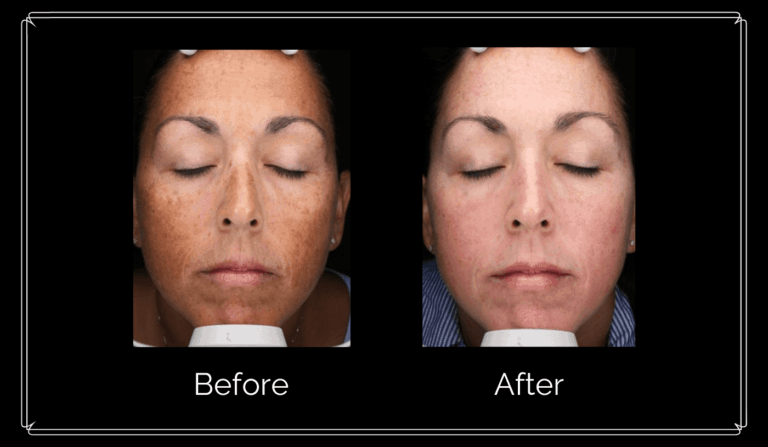
- Reviewing before-and-after photos of previous patients gives you tangible evidence of the surgeon's aesthetic style and expected results.
 You’re considering Cosmetic Surgery in Northern Virginia, but as someone newly thinking about plastics procedures, you’re concerned that you don’t know what you don’t know. It’s normal to be skeptical and hesitant regarding a major life decision like enhancing your appearance. What you decide may alter your confidence, self-esteem, and overall happiness for some time.
When you don’t know something, it’s vital to ask the right questions. These five questions will help you get the answers you seek.
You’re considering Cosmetic Surgery in Northern Virginia, but as someone newly thinking about plastics procedures, you’re concerned that you don’t know what you don’t know. It’s normal to be skeptical and hesitant regarding a major life decision like enhancing your appearance. What you decide may alter your confidence, self-esteem, and overall happiness for some time.
When you don’t know something, it’s vital to ask the right questions. These five questions will help you get the answers you seek.
1. Is the Doctor a Board Certified Plastic Surgeon?
In the U.S., plastic surgeons must be certified with the American Board of Plastic Surgery. To obtain this certification, they must undergo extensive training in addition to performing many procedures. They’re required to complete ongoing education and stay current on the latest techniques to ensure safety and the best outcomes for their patients. Board-certified surgeons practice the latest minimally-invasive cosmetic techniques to achieve the best results for patients. If your doctor isn’t a board-certified plastic surgeon, what does that mean for you? Best case scenario, this doctor may not complete many plastic surgeries. They may not be aware of the latest techniques. This would make them less skilled at the complexities and subtleties required to get phenomenal, or even satisfactory, results for patients. In the worst case, they may be practicing outside their license, which puts you at significant risk.2. What Are the Risks of this Procedure?
Any surgical or minimally-invasive procedure carries risks. Are these risks very dangerous or life-threatening? Generally, no, but you do need to know about them. These risks can be mitigated by ensuring the team performing the procedure are qualified to do it. When you speak with your plastic surgeon during your consult, they discuss risks with you and the steps taken to reduce risks so that you can feel comfortable about your procedure. If your plastic surgeon doesn’t discuss risks or completely downplays them, that would be a red flag.3. How Long Is Recovery? / What Will It Be Like?
It’s vital that you understand what to expect during recovery. Some procedures do have longer recovery times. However, plastic surgery has advanced by light-years over the past 20 years. Techniques have been improved, recovery time has been reduced, and doctors are more equipped to safely manage pain and infections as well as reduce the risks of post-op complications. An experienced, board-certified cosmetic plastic surgeon can help you understand how to manage recovery and what to expect. Typically, if you’re planning a cosmetic procedure, you will need to take some time off work. You may need to limit your activities for a week or more. You would then follow-up your surgeon for post-op visits, and when you’re ready, your doctor will clear you for normal exercise and other activity.4. How Long Will My Results Last?
Cosmetic Surgery in Northern Virginia can be an excellent investment in your career, life, confidence, and general happiness, but most procedures don’t last forever. Some procedures are mostly temporary, such as specific MedSpa treatments like chemical peels, Botox, or lip fillers. Other treatments may last around 10 years like certain deep laser treatments. Some treatments are permanent, like hair removal or scar revision. Yet other procedures depend more on how well you maintain them through diet, exercise, and lifestyle. Tummy Tuck and Liposuction would fall into that category. Before you get a Cosmetic Surgery in Northern Virginia, your board-certified plastic surgeon will help you understand:- How long the treatment or procedure may last
- Whether you need multiple treatments to get the desired results, and how many
- If you might benefit from a series of procedures to obtain the look that you envision
- What you can do to extend the “life” of your procedure
5. What Will the Long-Term Costs of the Procedure Be?
Many people gravitate toward what appears to be the most cost-effective solution, but often the least expensive in the short-term will cost more to maintain in the long-haul. When getting Cosmetic Surgery in Northern Virginia, ask about your options. A “more expensive” yet more permanent solution may save you money. Money should also be a factor when considering which plastic surgeon you’ll have perform your procedure. Cosmetic surgery is definitely a “you get what you pay for” service. A lower-cost surgeon many have less experience. They may have a history of needing more revisions or having less than satisfied clients. Don’t trust your body to someone who may not have the experience to give you the results you actually want. It’s better to seek out experience first; then consider the costs.Getting Cosmetic Surgery in Northern Virginia
Are you getting a voluntary procedure in Northern Virginia? Be sure to ask the above questions. You’ll both better understand what you’re paying for and you’ll better manage your expectations. Plastic surgery can transform how you feel about your body and life. To learn more about getting a cosmetic procedure, contact us for a consultation.
Frequently Asked Questions
What is the single most important question to ask a cosmetic surgeon?
The most important question is whether the surgeon is board-certified with the American Board of Plastic Surgery. Board certification requires completing extensive specialized training, performing a high volume of procedures, and maintaining ongoing education in safety and technique. It is the strongest indicator of qualifications and patient safety.
Why does it matter if the surgical facility is accredited?
Accredited surgical facilities are required to meet stringent safety and quality standards set by recognized oversight organizations. Undergoing surgery in an accredited facility significantly reduces the risk of preventable complications and ensures you have access to proper emergency resources and safety protocols during your procedure.
What should I ask about surgical risks and complications?
Ask your surgeon to clearly explain the specific risks associated with your planned procedure, how those risks are managed if they occur, and what your options are if you are not satisfied with the cosmetic result. A board-certified surgeon will be transparent about these details and have a clear plan in place for addressing complications.
How do before-and-after photos help me evaluate a surgeon?
Before-and-after photos allow you to see the actual results a surgeon has achieved on real patients. Look for patients with similar anatomy and concerns to your own, and assess whether the results look natural, proportional, and consistent across multiple cases. This gives you a concrete and realistic picture of what to expect.
Should I consult with more than one surgeon before deciding?
Yes. Consulting with multiple board-certified surgeons before choosing one is always recommended. Different surgeons may recommend different approaches based on your anatomy and goals. Comparing perspectives helps you make the most informed decision and find the surgeon whose philosophy, aesthetic, and communication style best align with your needs.