

Key Takeaways
- Melasma is a common pigmentation disorder causing brown or gray patches on the face, most often triggered by sun exposure, hormones, and heat.
- It is caused by hyperactive melanocytes producing excess pigment and is particularly challenging to treat because it tends to recur with sun exposure or hormonal changes.
- NOVA's master aesthetician recommends a combination approach using topical bleaching treatments alongside laser therapy for the most effective and long-lasting results.
- Sun protection is a critical and non-negotiable part of any melasma treatment plan, as UV exposure is the primary trigger for pigmentation flare-ups.
- Patients must have realistic expectations, as melasma is a chronic condition that can be managed and significantly improved but typically cannot be permanently cured.
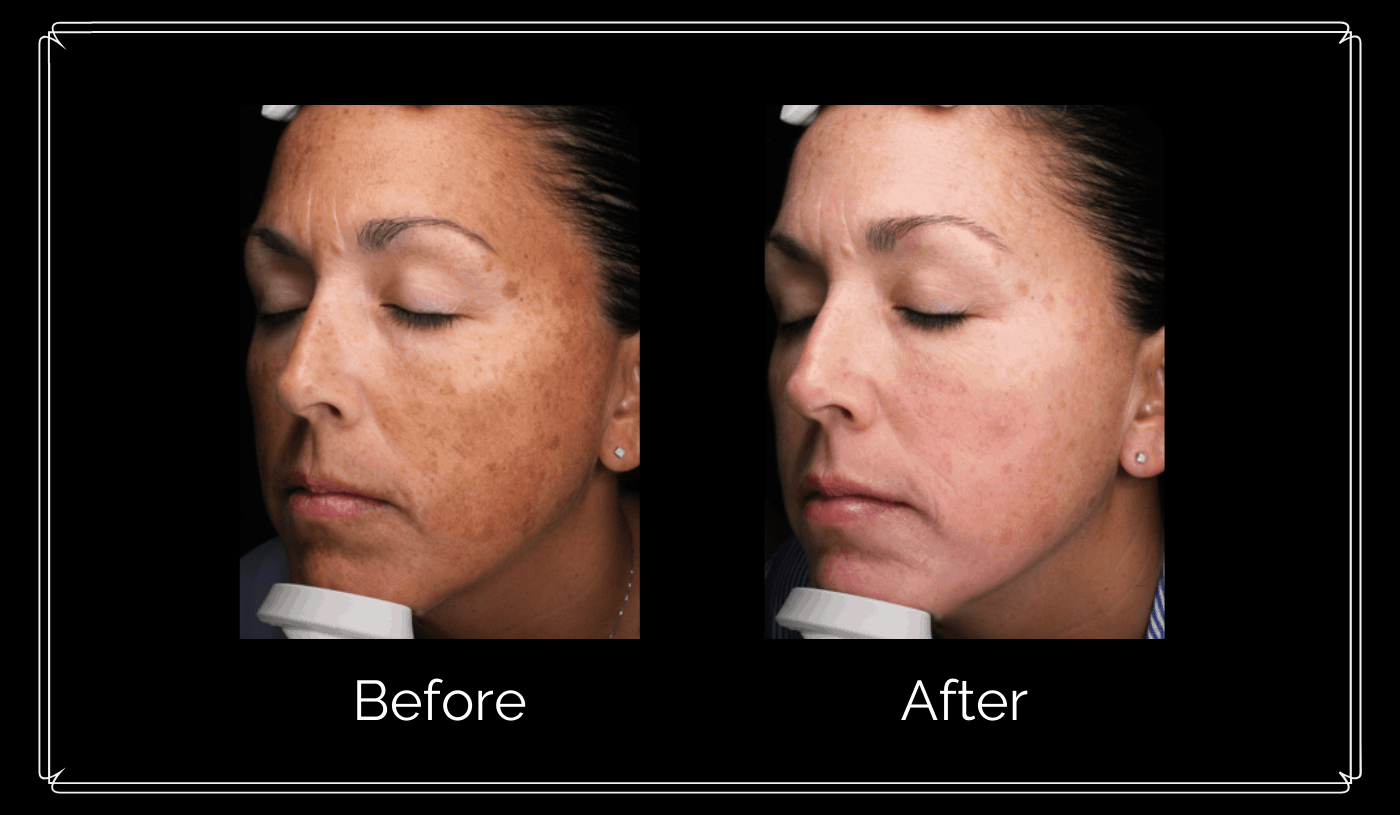 Anyone with melasma knows all too well how challenging it can be to treat—especially in a way that’s safe and effective. We asked our expert Master Aesthetician to share her recommendation on the best treatment for melasma, along with some helpful information about who makes a good candidate. Armed with this information, anyone struggling with melasma can seek treatment to make aesthetic improvements and feel confident with the skin they’re in.
Before we get to our aesthetician’s recommendations for achieving optimal long-term results, we’ll provide a brief overview of melasma.
Anyone with melasma knows all too well how challenging it can be to treat—especially in a way that’s safe and effective. We asked our expert Master Aesthetician to share her recommendation on the best treatment for melasma, along with some helpful information about who makes a good candidate. Armed with this information, anyone struggling with melasma can seek treatment to make aesthetic improvements and feel confident with the skin they’re in.
Before we get to our aesthetician’s recommendations for achieving optimal long-term results, we’ll provide a brief overview of melasma.
Melasma 101: Causes & Symptoms
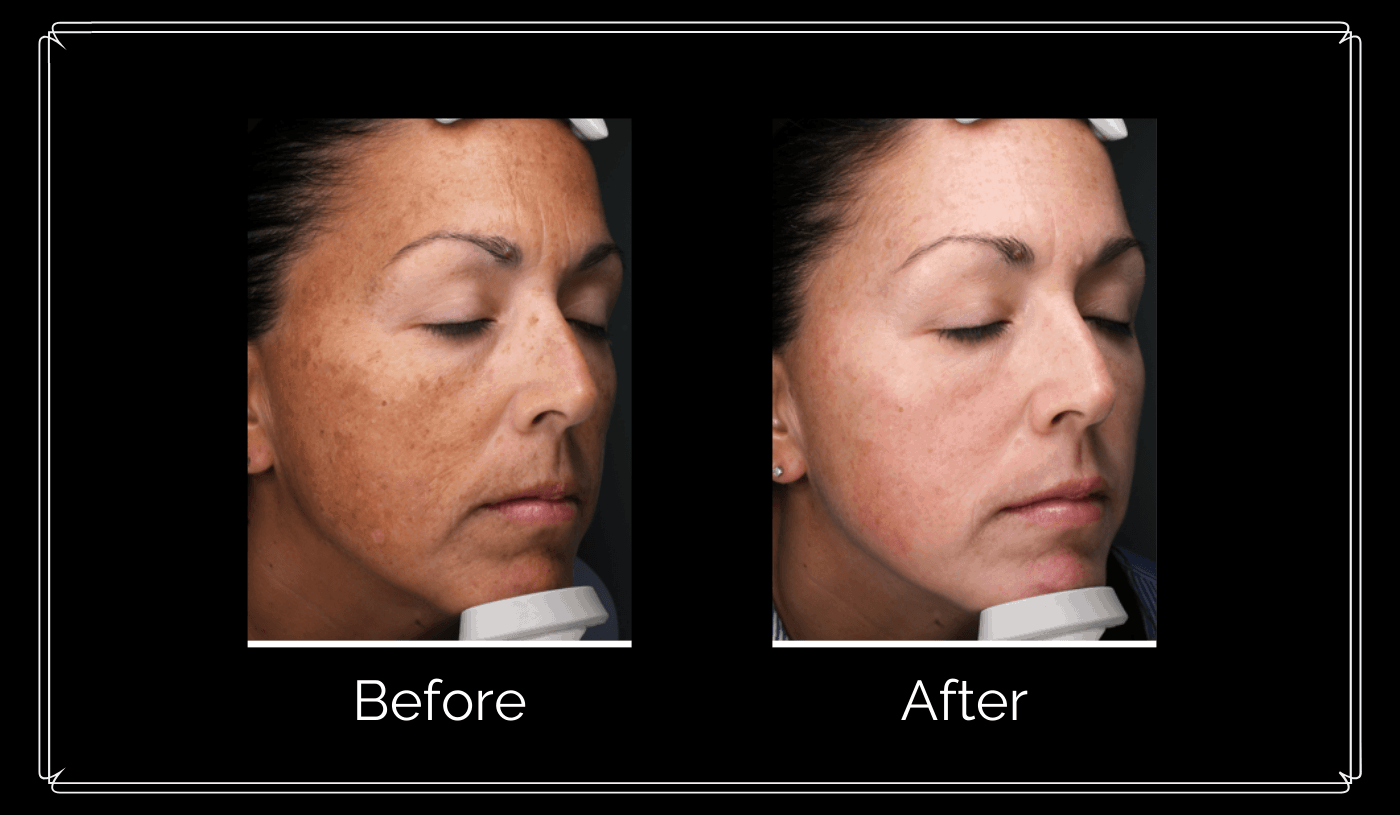 Melasma is a common pigmentation disorder that causes dark patches to appear on the skin, especially on and around the face. Discoloration typically shows up as brown or gray patches that are most likely caused by the malfunction of color-producing cells. These cells are thought to be hyperactive, which causes them to produce too much color.
Both men and women can develop melasma; however, the condition is much more common in women. Sun exposure and hormonal changes are both known triggers for melasma. As such, birth control pills, hormone replacement pills, and pregnancy can all trigger melasma in women. Though it poses no health risks and causes no physical discomfort, people with melasma are often self-conscious about their pigmentation issues—which is where treatment comes in.
Melasma is a common pigmentation disorder that causes dark patches to appear on the skin, especially on and around the face. Discoloration typically shows up as brown or gray patches that are most likely caused by the malfunction of color-producing cells. These cells are thought to be hyperactive, which causes them to produce too much color.
Both men and women can develop melasma; however, the condition is much more common in women. Sun exposure and hormonal changes are both known triggers for melasma. As such, birth control pills, hormone replacement pills, and pregnancy can all trigger melasma in women. Though it poses no health risks and causes no physical discomfort, people with melasma are often self-conscious about their pigmentation issues—which is where treatment comes in.
Treating Melasma with Melanage
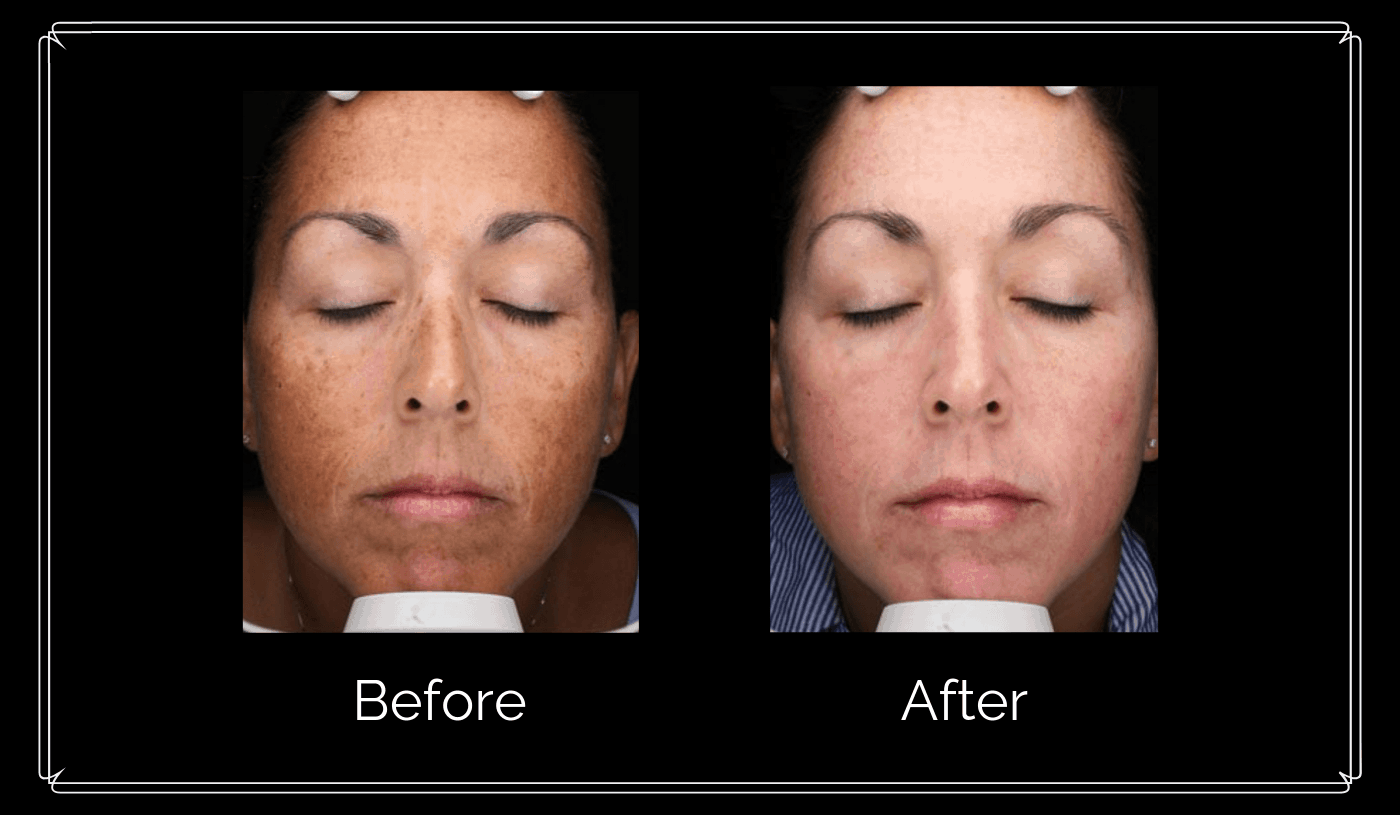 When we asked about the best treatments for melasma, our Master Aesthetician recommended the melanage minipeel. This treatment is one of a new generation of chemical peels that use a combination of weak acids and strong, non-acidic ingredients that do not burn or injure the skin. The melanage minipeel does not contain hydroquinone, a bleaching agent commonly used to treat melasma that’s now being banned in Europe due to long-term use causing potential liver damage.
The solution is applied during an in-office visit to a Med Spa like ours at NOVA Plastic Surgery. Some patients report feeling a mild tingling sensation from the chemical peel solution, but overall this treatment is virtually painless. After 20-30 minutes, patients return home with the solution on their face and remove it after a specified period of time. We also provide patients with a strict at-home regimen that’s easy to follow and helps to continue the healing process and improve the skin over time. The regimen includes a cleanser, two moisturizers, sunscreen, and a night cream.
Most patients begin to see improvements one week after the treatment, but the final results will not show up until 30-45 days after the procedure, once the at-home regimen is finished. Peeling, flaking, and irritation are common for the first week after receiving the melanage minipeel treatment and won’t impact the results. Some patients will require more than one melasma treatment, whereas others will be satisfied with the results from one treatment. Although melasma can’t be completely cured, it can always be managed and improved.
Wondering if you’re a candidate for the melanage minipeel? The good news is that almost every individual is an acceptable candidate because the treatment is noninvasive and safe for use on all skin types. However, women who are pregnant or breastfeeding, those going through chemotherapy, and those on Accutane are not a good fit for the melanage minipeel. If you’re curious about whether or not you’re a candidate for this melasma treatment, consult with an experienced aesthetician to have your questions answered.
When we asked about the best treatments for melasma, our Master Aesthetician recommended the melanage minipeel. This treatment is one of a new generation of chemical peels that use a combination of weak acids and strong, non-acidic ingredients that do not burn or injure the skin. The melanage minipeel does not contain hydroquinone, a bleaching agent commonly used to treat melasma that’s now being banned in Europe due to long-term use causing potential liver damage.
The solution is applied during an in-office visit to a Med Spa like ours at NOVA Plastic Surgery. Some patients report feeling a mild tingling sensation from the chemical peel solution, but overall this treatment is virtually painless. After 20-30 minutes, patients return home with the solution on their face and remove it after a specified period of time. We also provide patients with a strict at-home regimen that’s easy to follow and helps to continue the healing process and improve the skin over time. The regimen includes a cleanser, two moisturizers, sunscreen, and a night cream.
Most patients begin to see improvements one week after the treatment, but the final results will not show up until 30-45 days after the procedure, once the at-home regimen is finished. Peeling, flaking, and irritation are common for the first week after receiving the melanage minipeel treatment and won’t impact the results. Some patients will require more than one melasma treatment, whereas others will be satisfied with the results from one treatment. Although melasma can’t be completely cured, it can always be managed and improved.
Wondering if you’re a candidate for the melanage minipeel? The good news is that almost every individual is an acceptable candidate because the treatment is noninvasive and safe for use on all skin types. However, women who are pregnant or breastfeeding, those going through chemotherapy, and those on Accutane are not a good fit for the melanage minipeel. If you’re curious about whether or not you’re a candidate for this melasma treatment, consult with an experienced aesthetician to have your questions answered.

Frequently Asked Questions
What is melasma and what causes it?
Melasma is a common skin condition causing dark brown or gray-brown patches on the face, typically on the forehead, cheeks, and upper lip. It is caused by an overproduction of melanin by hyperactive pigment-producing cells and is most commonly triggered by UV exposure, hormonal changes including pregnancy and oral contraceptives, and heat.
Why is melasma so difficult to treat?
Melasma is challenging because it tends to recur, particularly with sun exposure and hormonal fluctuations. Even after significant improvement, the condition can flare again if underlying triggers are not consistently managed. This is why treatment must be combined with strict ongoing sun protection to prevent the pigmentation from returning.
What does NOVA's aesthetician recommend for treating melasma?
NOVA's master aesthetician recommends a combination approach pairing topical bleaching treatments with laser or light-based therapy. Topical treatments help suppress melanin production, while laser therapy targets and breaks down existing pigmentation. This dual approach produces more comprehensive and longer-lasting improvement than either treatment alone.
How important is sun protection in melasma treatment?
Sun protection is the single most critical component of any melasma management plan. UV exposure is the primary trigger for melanocyte hyperactivity, which drives the pigment production that causes melasma. Without consistent daily broad-spectrum sunscreen use, any improvement achieved through treatment will likely be reversed by continued UV exposure.
Can melasma be permanently cured?
Melasma is a chronic condition that can be effectively managed and significantly improved, but cannot typically be permanently cured. Pigmentation can be cleared with treatment, but ongoing maintenance and sun protection are required to prevent recurrence. Patients with melasma should view treatment as a long-term management strategy.