

Key Takeaways
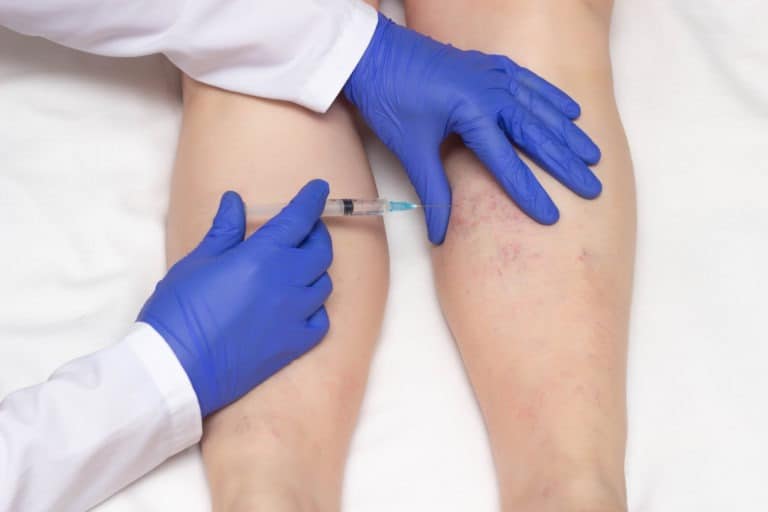
- Fat grafting begins with aspirating fat from the patient's abdomen under local anesthesia using a minimally invasive suctioning technique.
- The harvested fat is placed into syringes and spun in a centrifuge for approximately three minutes to separate it into distinct layers.
- Blood and oil are discarded from the centrifuged material, leaving only pure, concentrated fat cells ready for injection.
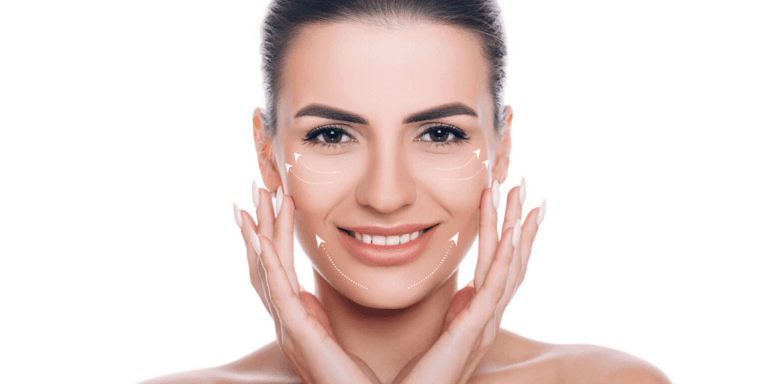
- The purified fat is transferred into smaller syringes and precisely injected into deep facial tissues including the cheeks, upper eyelids, and temples.
- The entire procedure is performed at NOVA's Ashburn office and is tailored to each patient's individual facial rejuvenation goals.
Frequently Asked Questions
How is fat harvested for a fat grafting procedure?
Fat is aspirated from the patient's abdomen using a minimally invasive technique performed under local anesthesia. The fat cells are suctioned into syringes and then processed to isolate only the pure, viable fat cells for injection.
What happens to the fat after it is harvested?
Once harvested, the fat-filled syringes are placed in a centrifuge and spun for approximately three minutes. This separates the fat into three distinct layers. The blood and oil layers are discarded, leaving only the concentrated pure fat cells that will be used for injection.
Where is the fat typically injected during a facial fat grafting procedure?
The purified fat is injected deep into the facial tissues according to a plan developed during the patient's consultation. The most common injection sites are the cheeks, upper eyelids, and temple areas, which most commonly lose volume with age.
Can fat grafting be used for both the face and the body?
Yes. While this procedure is commonly used for facial volume restoration, fat grafting can also be applied to other areas of the body, such as the breasts for a natural augmentation. The same harvesting and purification process is used regardless of the destination area.
Is fat grafting performed under general anesthesia?
For facial fat grafting performed alone, the procedure is typically done under local anesthesia in the office, which reduces risk compared to general anesthesia. When combined with other surgical procedures, general anesthesia may be used. Your surgeon will discuss the appropriate plan at your consultation.