

Key Takeaways
- Both CO2 and ProFractional lasers are used for skin resurfacing to address wrinkles, acne scars, and collagen depletion, but differ significantly in downtime and depth of treatment.
- CO2 laser is fully ablative, removing the entire outer skin layer and producing dramatic results but requiring longer recovery and carrying higher risk of side effects.
- ProFractional laser treats only a fraction of skin at a time by creating precise micro-channels, leaving surrounding tissue intact to promote faster healing and less downtime.
- NOVA prefers ProFractional laser because it delivers meaningful collagen stimulation and skin renewal with a more manageable recovery suitable for most patients' lifestyles.
- For patients wanting significant resurfacing results with minimal downtime, ProFractional is the superior and preferred choice at NOVA.
Laser skin resurfacing is a treatment that addresses common skin concerns and refreshes the skin, giving you a more youthful look. This blog discusses CO2 laser vs. ProFractional laser, breaking down how each treatment works and what results they yield. We also highlight the benefits of ProFractional laser treatment, emphasizing the minimal downtime needed.
3 Min Read:
Laser Resurfacing and What It Can Do
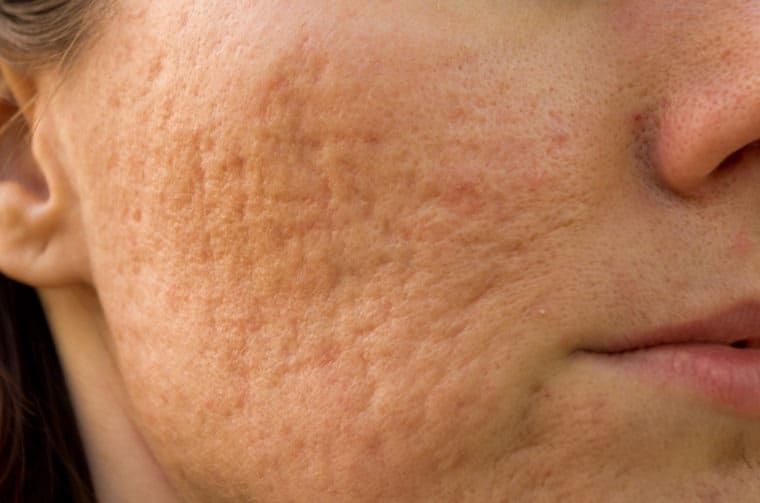
Do you have skin concerns such as wrinkles, acne scars, and collagen depletion? Laser resurfacing is a facial rejuvenation treatment that uses a laser beam to target skin issues. After laser skin resurfacing, your skin will be smooth and free of previous imperfections, and collagen production will be stimulated. At NOVA Plastic Surgery and Dermatology, we offer laser skin resurfacing treatments to help you address blemishes you may be insecure about and make you feel confident in your skin.
Should I Choose CO2 or ProFractional Laser Treatment?
If you’re ready to say goodbye to your skin issues and hello to new, smooth skin, you’ll want to know which type of laser treatment will work best for you. CO2 and ProFractional lasers both treat similar problem areas, but they do have differences in their techniques and results.
CO2 Laser
When the CO2 laser is used, it removes the thin outer layer of skin on the treatment area and heats the remaining skin underneath to target the problem. This laser promotes collagen growth and leaves the skin firm and smooth. However, since this laser intensely affects the skin when it removes the outer layer, there is a longer recovery time associated with the treatment.
After CO2 laser resurfacing, you can expect your skin to have some redness. Your skin will look and feel like it has a bad sunburn, and overall, the skin may appear raw due to the intensity of the CO2 laser. Most people find their skin heals around two to four weeks after their appointment. However, the redness may remain for 30 days after treatment. In the weeks while your skin heals, you should sleep with your head elevated on a pillow to reduce swelling and avoid excessive sun exposure.
ProFractional Laser
Using advanced technology, the ProFractional laser treats a “fraction” of your skin by making thousands of micro-channels deep in your skin tissues, underneath the epidermis layer. Like the CO2 laser, ProFractional laser resurfacing stimulates collagen production. This promotes plump, youthful-looking skin. It also means that even after your initial treatment, your collagen production will still be increased, allowing you to enjoy your facial rejuvenation longer.
Since the ProFractional laser treats only a fraction of the skin, the remaining untreated skin enables a quicker healing process. After your ProFractional laser treatment, you may experience short-term bleeding, which lasts only around an hour. There is also minimal downtime associated with this treatment, especially compared to the CO2 laser. With the ProFractional laser, many patients take 3 to 4 days of recovery before they can resume their daily activities. A few days after your skin heals, you’ll see noticeable results. Your skin will continue to look refreshed and smooth for four to six months after treatment due to the increase in collagen.
ProFractional Laser Benefits and Recovery Time
With ProFractional laser resurfacing, you can treat various skin imperfections and give yourself a more youthful appearance with little recovery time. ProFractional laser can remove and improve the appearance of fine lines, wrinkles, skin discoloration, uneven skin tone, acne scars, and other scars. It stimulates collagen production to rejuvenate your skin and give you lasting results. You can also have additional treatments if needed to reach your skin goals.
Schedule Your Laser Resurfacing Consultation in Northern Virginia
To learn more about laser resurfacing, call us at 703-215-9152 or fill out our online contact form today!
Frequently Asked Questions
What is the difference between CO2 and ProFractional laser?
CO2 laser is a fully ablative treatment that removes the entire outer layer of skin across the treated area, producing dramatic results but requiring extended recovery. ProFractional laser creates precise micro-channels in a fraction of the skin at a time, leaving surrounding tissue intact. This fractional approach promotes faster healing and significantly less downtime while still delivering meaningful collagen stimulation.
Which laser is better for skin resurfacing?
The best choice depends on the patient's concerns and recovery tolerance. CO2 laser can produce more dramatic results for severely damaged skin but comes with more significant downtime. ProFractional is preferred by NOVA because it achieves excellent skin renewal and collagen stimulation with a much more manageable recovery period that fits most patients' lifestyles.
Does NOVA offer CO2 laser treatment?
NOVA's preferred resurfacing option is the ProFractional laser. The practice favors ProFractional because of its combination of effectiveness and minimal downtime, making it suitable for a wider range of patients. The precise fractional approach allows treatment to be customized in depth for each patient's specific concerns.
What can ProFractional laser treat?
ProFractional laser effectively addresses fine lines and wrinkles, acne scars, enlarged pores, skin discoloration, rough or uneven texture, and general skin laxity. The treatment is customizable in depth and coverage, allowing the provider to target more superficial concerns or go deeper for more significant improvement.
How long is recovery after ProFractional laser compared to CO2?
ProFractional laser typically involves three to four days of redness and mild peeling before patients feel comfortable returning to normal activities. CO2 laser requires one to two weeks or more with more significant peeling and redness. For patients who cannot accommodate extended downtime, ProFractional offers a much more practical path to meaningful skin improvement.